
Uncategorized
How to Use the Fastener Finder to Get the Right Fastener
Oct
Selecting the wrong fastener for a trailer build, 4WD accessory installation, or toolbox fabrication is a costly mistake that experienced tradespeople and fabricators know all too well. Thread pitch, material grade, head type, and load rating all influence whether a fastener will perform under real working conditions or fail when it matters most.
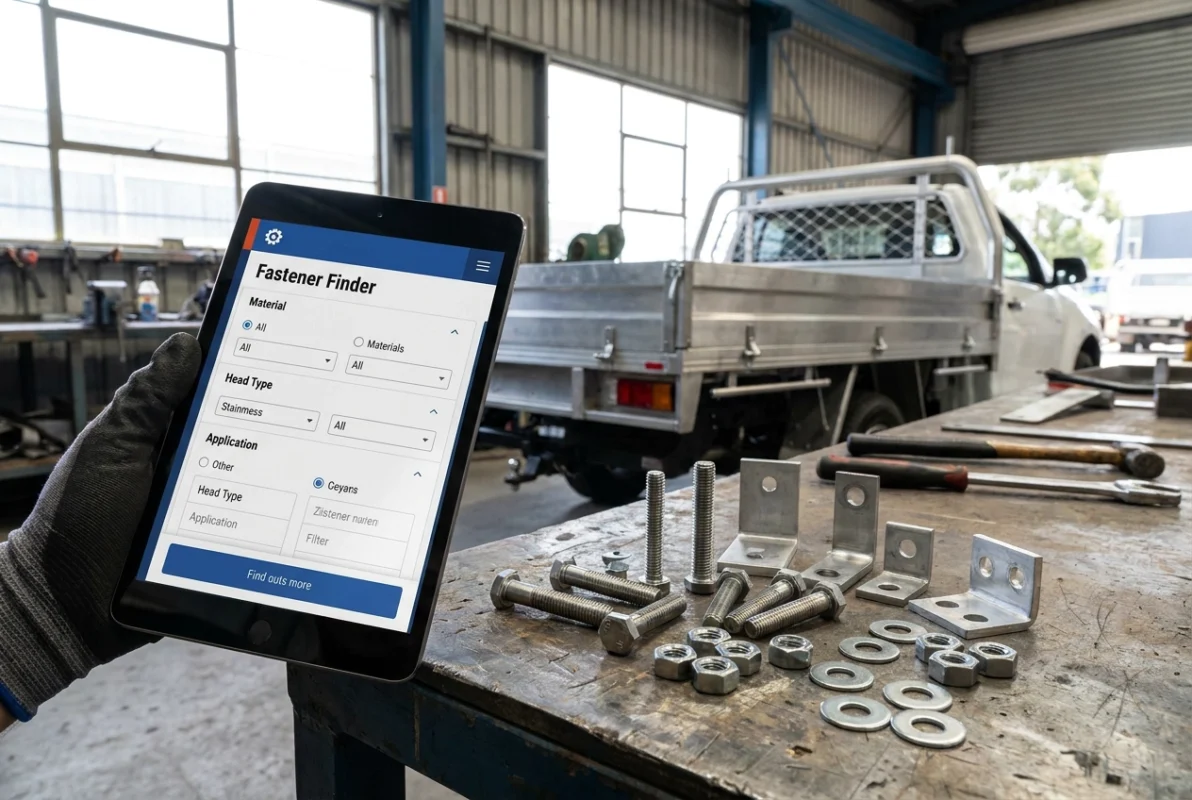
Trailer Parts Direct has developed the Fastener Finder, a purpose-built selection tool designed to cut through that complexity and point you directly to the right fastener from the Dunn and Watson range. Whether you are a professional fabricator speccing up a trailer build, a tradie fitting out a ute, or a serious DIYer tackling a caravan modification, this tool is built to work for your application.
In this guide, you will learn exactly what the Fastener Finder is and how it works, what information to have ready before you start, and how to move through the tool step by step to get an accurate result. You will also find practical tips for refining your selection and a clear explanation of why choosing the correct fastener is critical to the integrity of your build.
What Is the Fastener Finder?
The Fastener Finder is a purpose-built selection tool on Trailer Parts Direct that identifies the correct fastener from the Dunn & Watson range for your specific project. Rather than scrolling through dozens of product listings, the tool asks targeted questions about your application, dimensions, and material requirements, then returns a matched result. If you would rather browse the range yourself, you can compare fasteners by category.
It is built for builders working on trailers, ute canopies, toolboxes, caravans, camper trailers, and fabrication projects where a mismatched fastener creates real consequences. Results are drawn from the Dunn & Watson range stocked by Trailer Parts Direct, so a matched result is a product you can order.
The tool is built for fabricators, tradies, and DIY customers wanting a confirmed specification before ordering. If you know your materials and application but are unsure which specification to specify, this tool is the fastest path to a reliable answer. Work through the inputs and get a result you can act on immediately.
What You Will Need Before You Start
Before running the tool, gather the following information:
- Base material. Know what you are fastening into: steel RHS, aluminium sheet, hardwood timber, fibreglass composite, or similar. The material determines compatible fastener types and finishes.
- Material thickness. Measure the total combined thickness of all layers at the fastener location. This figure drives grip length and overall fastener sizing.
- Environment. Outdoor, marine, and high-vibration applications each demand specific finishes. Coatings and material grade affect corrosion resistance, stainless steel is commonly specified for wet or exposed environments, while zinc-plated or galvanised finishes are widely used for general outdoor applications. When in doubt, specify up.
- Load type. Identify whether the fastener will carry shear load (lateral force), tensile load (pull-out force), or a combination. This affects the correct grade and head type required.
- Replacement fasteners. If you are substituting an existing fastener, have the original in hand. Measure thread diameter, thread pitch, and length directly rather than estimating, as even small pitch differences can strip parent material during installation.
With these details confirmed, the tool can return an accurate, application-matched result from the Dunn & Watson range.

How to Use the Tool: Step by Step
With your materials and measurements on hand, work through the tool in sequence.
- Select your application category. Choose the project type that best matches your build: trailer, caravan, toolbox, canopy, or general fabrication. This filters the results toward fastener types relevant to that application.
- Enter your material and thickness details. Input the base material type and the combined thickness of all layers being joined. The tool uses this to filter toward the correct grip length range.
- Choose your environment and finish preference. Select indoor, outdoor, or marine-exposed. Then indicate your finish preference: stainless steel, zinc-plated, or otherwise. If you are unsure, nominate the more demanding option.
- Specify drive type and head style if known. A countersunk head suits flush-fitting installations; a hex head suits high-torque applications. Leave this open if you have no specific requirement and the tool will return all compatible options.
- Review your matched results. The tool returns matched results from the Dunn & Watson range so you can review specifications and order directly.
Tips for Getting the Right Result
A few edge cases will give the tool better inputs and sharper results.
Thread pitch: If you cannot confirm the pitch by eye, use a thread pitch gauge before entering values. Taking an unknown fastener to a local supplier for identification is faster than guessing and re-ordering.
Stacked materials: For layered assemblies such as aluminium extrusion over steel plate, measure the total combined thickness at the fastener location as a single figure. Measuring each layer separately and adding them introduces error if there is any gap or compression in the stack.
Environment selection: When the environment is uncertain, choose the more demanding finish, under-specifying risks corrosion and rework.
No results or unexpected results: Use the on-page enquiry option and include your project details. The Trailer Parts Direct team will provide a manual recommendation.
Production and bulk requirements: Note the product codes from your results and contact the team directly to discuss trade pricing and bulk availability.
Why Getting the Right Fastener Matters
Getting the selection right before installation prevents outcomes that are difficult and expensive to reverse.
An under-specified fastener in a trailer or canopy application is a structural liability. Under combined load, vibration, and environmental exposure, it can fail progressively, creating both a safety risk and a costly rework job to rectify.
Material mismatch is an equally serious issue. A zinc-plated fastener installed in a marine or persistently wet environment will corrode over time, degrading the joint and the assembly around it.
Thread size and pitch mismatches are less dramatic but just as damaging. An incorrect thread engagement in aluminium extrusion or thin-gauge steel can strip the parent material on installation, leaving few reliable remediation options.
The Dunn & Watson Group’s manufacturing and fabrication background informs the range, with products selected to suit Australian trade and industrial conditions.
Sourcing from a specialist also means consistent stock availability, traceable product specifications, and direct technical support when a mid-project requirement falls outside standard parameters.
Find Your Fastener and Get the Job Done
With the right specification confirmed, the next step is action.
Use the Fastener Finder now and work through the step-by-step inputs to identify the correct fastener for your project. Each result links to a full product page so you can confirm specifications and order.
If your project has unusual requirements or you are confirming a specification before a production run, contact the Trailer Parts Direct team directly for technical advice before committing to volume.
Bookmark the tool before you close this tab. Starting your next build with the Fastener Finder open from the outset avoids mid-project delays and reduces the risk of ordering the wrong specification.
Conclusion
Getting the right fastener starts with having the right tool. The Fastener Finder removes the guesswork by guiding you through material type, load requirements, and environmental conditions to return a verified specification you can order with confidence.
The key takeaways are straightforward: prepare your project details before you start, work through each input carefully, cross-check your result against application conditions, and source from a specialist with traceable stock and real technical support.
A mismatched fastener costs more than the part itself, in time, rework, and safety. The right specification is within reach. Start there, and get the job done properly.